Vegetables · Growing Guide
Small Cherry Tomato
Variety: Small Red Cherry · Solanum lycopersicum
Small Red Cherry Tomato is a vigorous heirloom cherry tomato variety that produces abundant clusters of small, bright-red fruits with a sweet, classic tomato flavor. It is highly productive, easy to grow, and ideal for home gardens, raised beds, containers, and greenhouse cultivation. Continuous harvesting encourages even more fruit production throughout the growing season.
- Difficulty: easyVegetableOutdoorGermination: 6–10 daysHarvest: 65–75 วันหลังย้ายปลูก
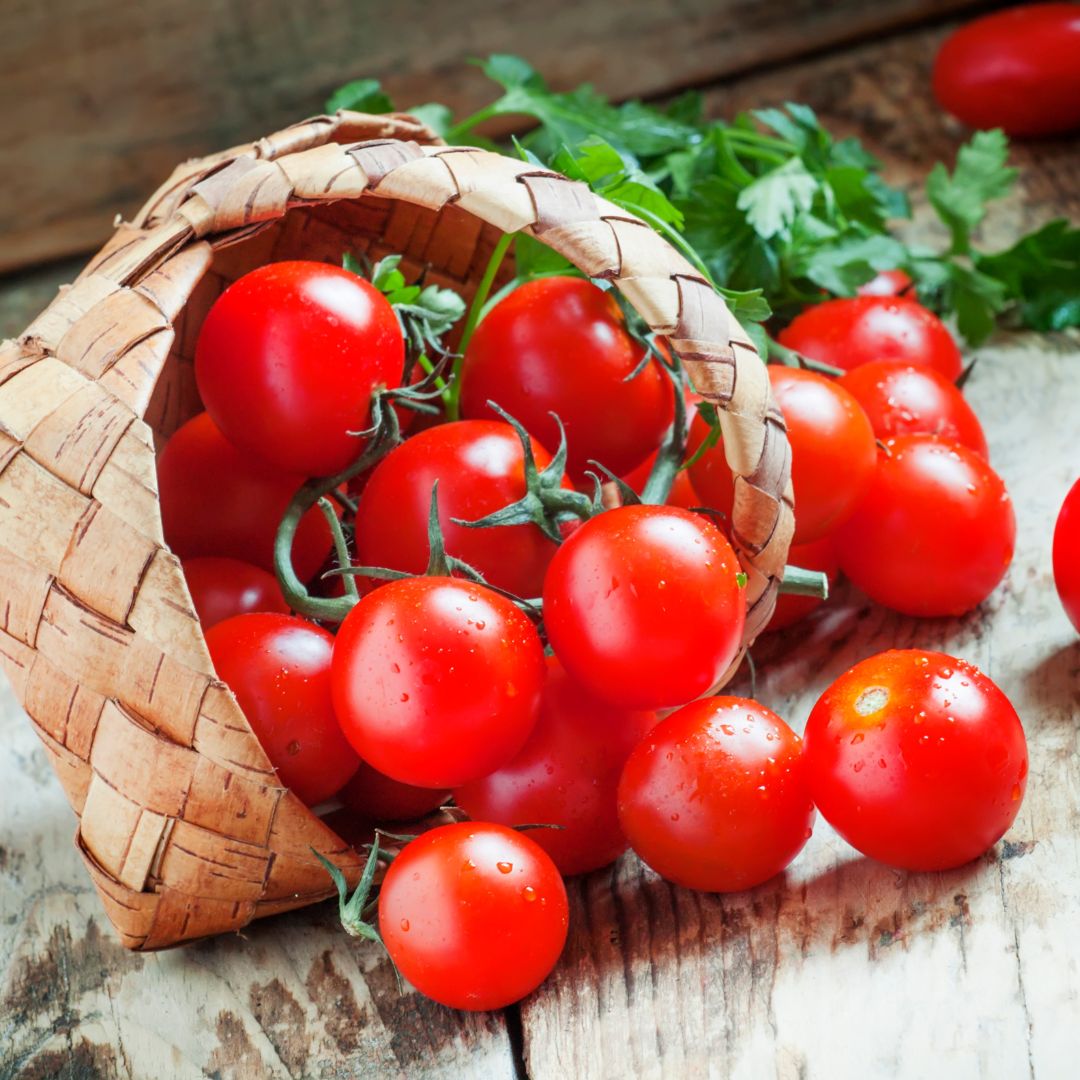
Plant overview
Small Red Cherry Tomato is a fast-growing, indeterminate variety that continues producing fruit until the end of the growing season. With proper support from stakes, cages, or trellises, the vigorous vines can reach over 2 meters in height and reward gardeners with abundant clusters of sweet, bite-sized tomatoes. Regular watering, balanced fertilization, and pruning of excess side shoots help improve airflow, encourage healthier plants, and increase fruit production. It thrives in full sun and performs well in garden beds, raised beds, large containers, and greenhouses.
Quick facts
5–7 hours
Every 2–3 days
Rich, slightly acidic
18–29°C
45–60 cm
30 cm+ deep
6–10 days
65–75 days
Climate & growing season
Best suited to warm, sunny growing conditions, ideally around 18–30°C. Small Cherry Tomato grows best with plenty of direct sunlight, good airflow and consistent moisture. During prolonged extreme heat, provide adequate water and some protection from intense afternoon heat to reduce plant stress and support flowering and fruit development.
Fruits best when nights stay below 24°C. In the hottest months, morning sun with afternoon shade prevents flower drop.
Seed starting
Sow seeds about 0.5 cm deep in a sterile, well-draining seed-starting mix. Maintain a temperature of 22–28°C and keep the growing medium evenly moist. Seeds typically germinate within 6–10 days under warm conditions.
Transplanting
Transplant seedlings when they have 4–6 true leaves and a strong root system. Plant the seedling deeper than it was growing in the seed tray, burying part of the stem to encourage additional root development. Water thoroughly after transplanting.
Sunlight
Provide at least 6–8 hours of direct sunlight each day for the best flowering and fruit production. In hot tropical climates like Thailand, light afternoon shade can help reduce heat stress and prevent flower drop. Rotate container-grown plants weekly to encourage even growth.
Watering
Water deeply 2–3 times per week rather than lightly every day. Keep the soil consistently moist but never waterlogged. Mulch around the base of the plant to retain moisture, reduce weeds, and help prevent fruit cracking caused by uneven watering.
Soil & growing medium
Grow in fertile, well-drained soil rich in organic matter with a pH of 6.0–6.8. Improve heavy soils with compost and perlite for better drainage. Healthy soil encourages strong roots and abundant harvests.
Fertilizing
Feed with a balanced fertilizer during early growth. Once flowering begins, switch to a tomato fertilizer that is higher in phosphorus and potassium to encourage flowering and fruit production. Apply every 10–14 days according to the product instructions.
Growth timeline
- 1Stage 1
Sowing
Day 0
- 2Stage 2
Germination
Day 6–10
- 3Stage 3
Seedling
Day 10–28
- 4Stage 4
Transplant
Day 28–35
- 5Stage 5
Flowering
Day 40–55
- 6Stage 6
First fruits
Day 55–65
- 7Stage 7
Peak harvest
Day 65–120
Harvesting
Harvest tomatoes when they are fully colored, firm, and slightly soft to the touch. Pick fruit regularly every 2–3 days to encourage continuous flowering and fruit production. Twist or cut the stem just above the fruit to avoid damaging the plant. Fresh tomatoes are best enjoyed immediately but can be stored at room temperature for several days. Avoid refrigerating ripe tomatoes, as cold temperatures reduce their flavor and texture.
Pests & diseases
Watch for whitefly, hornworms, and early blight. Space plants for airflow and remove yellowed lower leaves.
Frequently asked
Was this guide helpful?
Need more help?
Our team at Amor EcoFarm is happy to answer growing questions from Thai gardeners. Reach out on LINE for the fastest reply or send us a message.