Herbs · Growing Guide
Rosemary
Variety: Common Rosemary · Salvia rosmarinus
Rosemary is a fragrant evergreen herb native to the Mediterranean region and one of the world's most popular culinary herbs. Its aromatic needle-like leaves are widely used in cooking, herbal tea, natural wellness, and ornamental gardens. Although rosemary is known for its drought tolerance once established, growing it from seed requires patience due to its slow germination. With plenty of sunlight, excellent drainage, and proper care, rosemary becomes a beautiful long-lived shrub that can provide fresh harvests for many years. Whether planted in containers, raised beds, or herb gardens, rosemary adds fragrance, beauty, and flavor while attracting bees and other beneficial pollinators.
- Difficulty: moderateHerbIndoor & OutdoorGermination: 14–30 daysHarvest: 90–120 days for the first harvest
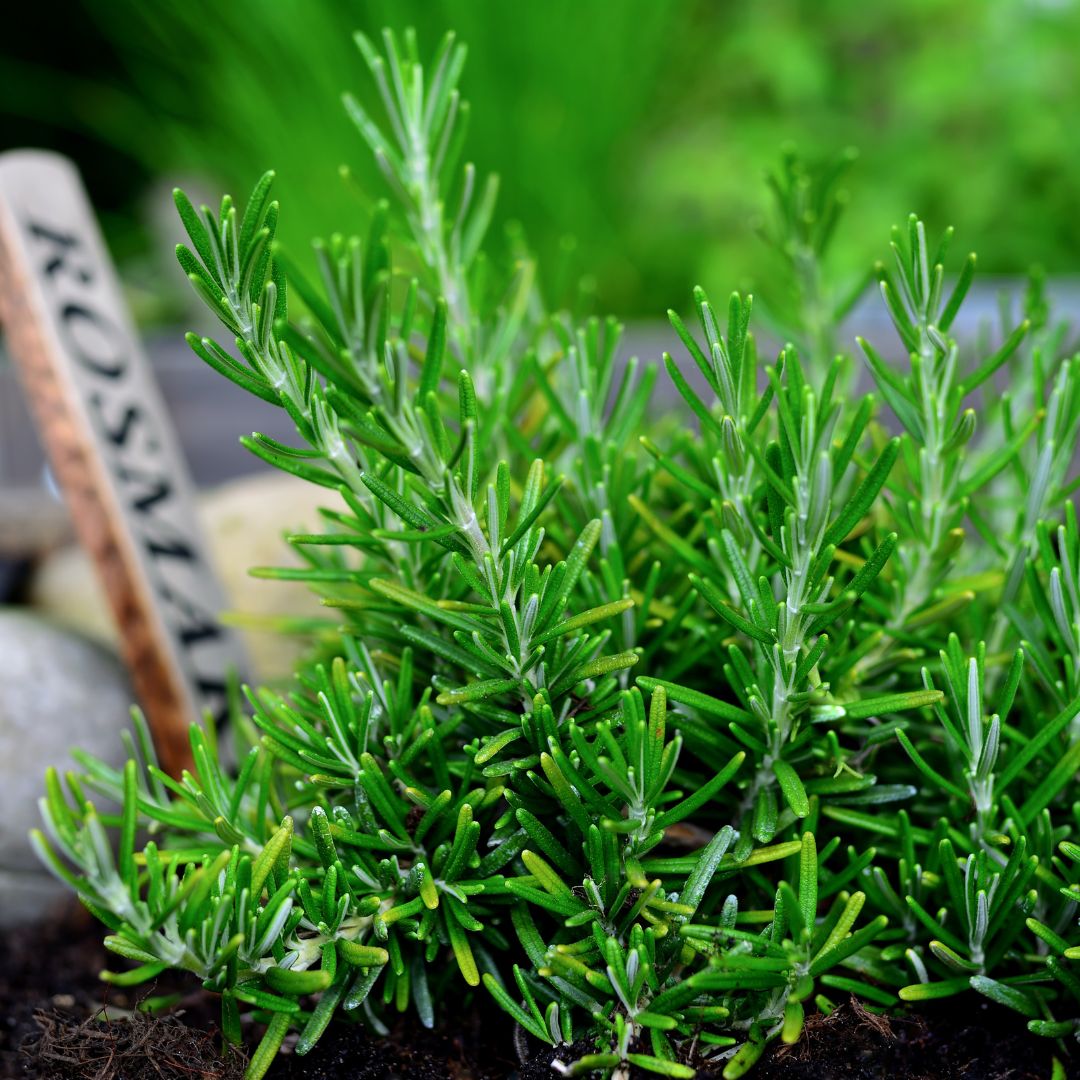
Plant overview
Rosemary is a woody evergreen herb prized for its fragrant needle-like leaves, culinary versatility, and ornamental beauty. Native to the Mediterranean region, it thrives in full sun and well-drained soil, making it an excellent choice for containers, raised beds, rock gardens, and herb gardens. Although rosemary grows slowly from seed, it rewards gardeners with a long-lived, drought-tolerant plant that can provide fresh harvests for many years. Once established, it requires minimal maintenance and becomes an attractive shrub that flowers with delicate blue, purple, pink, or white blooms, attracting bees and other beneficial pollinators. Rosemary leaves are widely used to flavor roasted meats, vegetables, potatoes, bread, soups, sauces, infused oils, vinegars, and herbal teas. Beyond the kitchen, rosemary has long been appreciated in traditional herbal practices and for its pleasant fragrance in the garden. Whether you are creating a kitchen herb garden, a pollinator-friendly landscape, or simply want a beautiful evergreen plant that produces fresh herbs year-round, rosemary is an excellent addition to every home garden.
Climate & growing season
Prefers mild, sunny and relatively dry conditions. Can grow in Thailand, but needs excellent drainage, good airflow and protection from prolonged heavy rain and excessive humidity.
Seed starting
Sow seeds on the surface of a moist, well-drained seed-starting mix and cover them very lightly with fine growing media or vermiculite. Keep the temperature between 20–25°C and maintain light moisture throughout germination. Rosemary seeds germinate slowly and may take 14–30 days or longer.
Transplanting
Transplant seedlings when they have developed several true leaves and a healthy root system. Handle the roots carefully to avoid damage, and plant them into well-drained soil or larger containers. Water thoroughly after transplanting, then allow the soil to dry slightly before watering again.
Sunlight
Rosemary grows best in full sun and requires at least 6–8 hours of direct sunlight each day. In hot tropical climates like Thailand, providing light afternoon shade during extreme heat can help reduce plant stress.
Watering
Keep the soil lightly moist while seeds are germinating. Once established, water deeply but only when the top few centimeters of soil become dry. Rosemary prefers slightly dry conditions and is highly sensitive to overwatering.
Soil & growing medium
Use loose, well-drained sandy or loamy soil rich in organic matter with a pH of 6.0–7.5. Avoid heavy clay soils that retain excessive moisture, as poor drainage can lead to root rot.
Fertilizing
Rosemary requires only light feeding. Apply compost or a balanced slow-release fertilizer every 4–6 weeks during active growth. Avoid excessive nitrogen, which encourages soft leafy growth and reduces the plant's aromatic oils.
Harvesting
Begin harvesting rosemary once the plant is well established, usually 90–120 days after sowing. Cut young stem tips or leafy sprigs using clean scissors or pruning shears. Harvest in the morning after the dew has dried for the best flavor and aroma. Avoid removing more than one-third of the plant at a time to encourage healthy regrowth and maintain a strong, bushy plant.
Was this guide helpful?
Need more help?
Our team at Amor EcoFarm is happy to answer growing questions from Thai gardeners. Reach out on LINE for the fastest reply or send us a message.