Herbs · Growing Guide
Roman Chamomile
Variety: Roman · Chamaemelum nobile
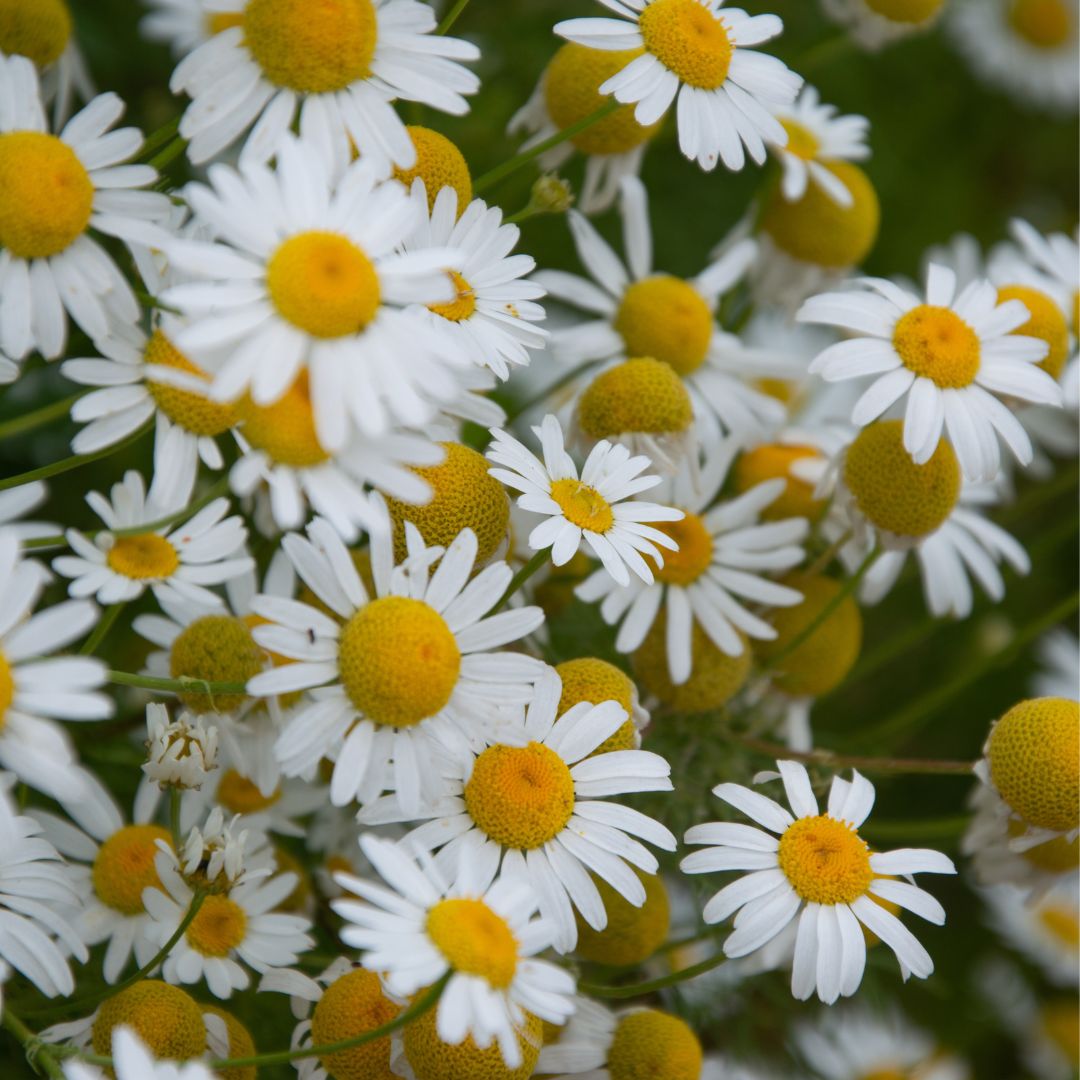
Roman Chamomile is a fragrant perennial herb prized for its daisy-like flowers, soft feathery foliage, and calming apple-like aroma. It is widely grown for herbal tea, edible flowers, natural ground cover, and pollinator-friendly gardens. With proper care, Roman Chamomile provides beautiful blooms year after year.
- Difficulty: easyHerbOutdoorGermination: 7–21 daysHarvest: 90–120 days
Plant overview
Roman Chamomile (Chamaemelum nobile) is one of the world's most popular medicinal and culinary herbs. Unlike German Chamomile, which is grown as an annual, Roman Chamomile is a perennial that spreads into a dense mat of aromatic foliage. The small white flowers with yellow centers are harvested for herbal tea, while the leaves release a pleasant fragrance when touched. It grows best in full sun, well-drained soil, and moderate temperatures, making it an excellent addition to herb gardens, edible landscapes, containers, and pollinator gardens.
Climate & growing season
Cool season, Temperate, Tropical (cool season)
Seed starting
Sow seeds on the surface of a moist seed-starting mix and press them gently into the medium without covering them deeply. Chamomile seeds require light to germinate, so only lightly press them into the soil. Keep the medium evenly moist until germination.
Transplanting
Transplant seedlings once they have several true leaves and are sturdy enough to handle. Water well after transplanting and protect young plants from intense afternoon sun for the first few days.
Sunlight
Roman Chamomile grows best in full sun but also tolerates partial shade, especially in hot climates like Thailand. Provide at least 6 hours of sunlight daily for healthy growth and abundant flowering.
Watering
Keep the soil consistently moist during germination and early growth. Once established, water deeply only when the top layer of soil begins to dry. Avoid overwatering, as soggy soil can lead to root diseases.
Soil & growing medium
Roman Chamomile prefers fertile, well-drained sandy or loamy soil rich in organic matter. The ideal soil pH is slightly acidic to neutral (6.0–7.0). Good drainage is essential for healthy root development.
Fertilizing
Apply compost or vermicompost before planting to enrich the soil. Feed every 3–4 weeks with a balanced organic fertilizer or diluted seaweed extract. Avoid excessive nitrogen, which promotes leafy growth at the expense of flowers.
Harvesting
Harvest fully opened flowers in the morning after the dew has dried. Pick flowers regularly to encourage continuous blooming. Flowers can be used fresh or dried for herbal tea, culinary use, and natural skincare products.
Was this guide helpful?
Need more help?
Our team at Amor EcoFarm is happy to answer growing questions from Thai gardeners. Reach out on LINE for the fastest reply or send us a message.