Vegetables · Growing Guide
Okra Clemson Spineless
Variety: Clemson Spineless · Abelmoschus esculentus
Clemson Spineless Okra is one of the world's most popular heirloom okra varieties, prized for its high yields, smooth spineless pods, and excellent flavor. It grows vigorously in warm climates and is exceptionally well suited to Thailand, producing tender pods continuously for months with regular harvesting.
- Difficulty: easyVegetableOutdoorGermination: 5–10 daysHarvest: 50–60 days
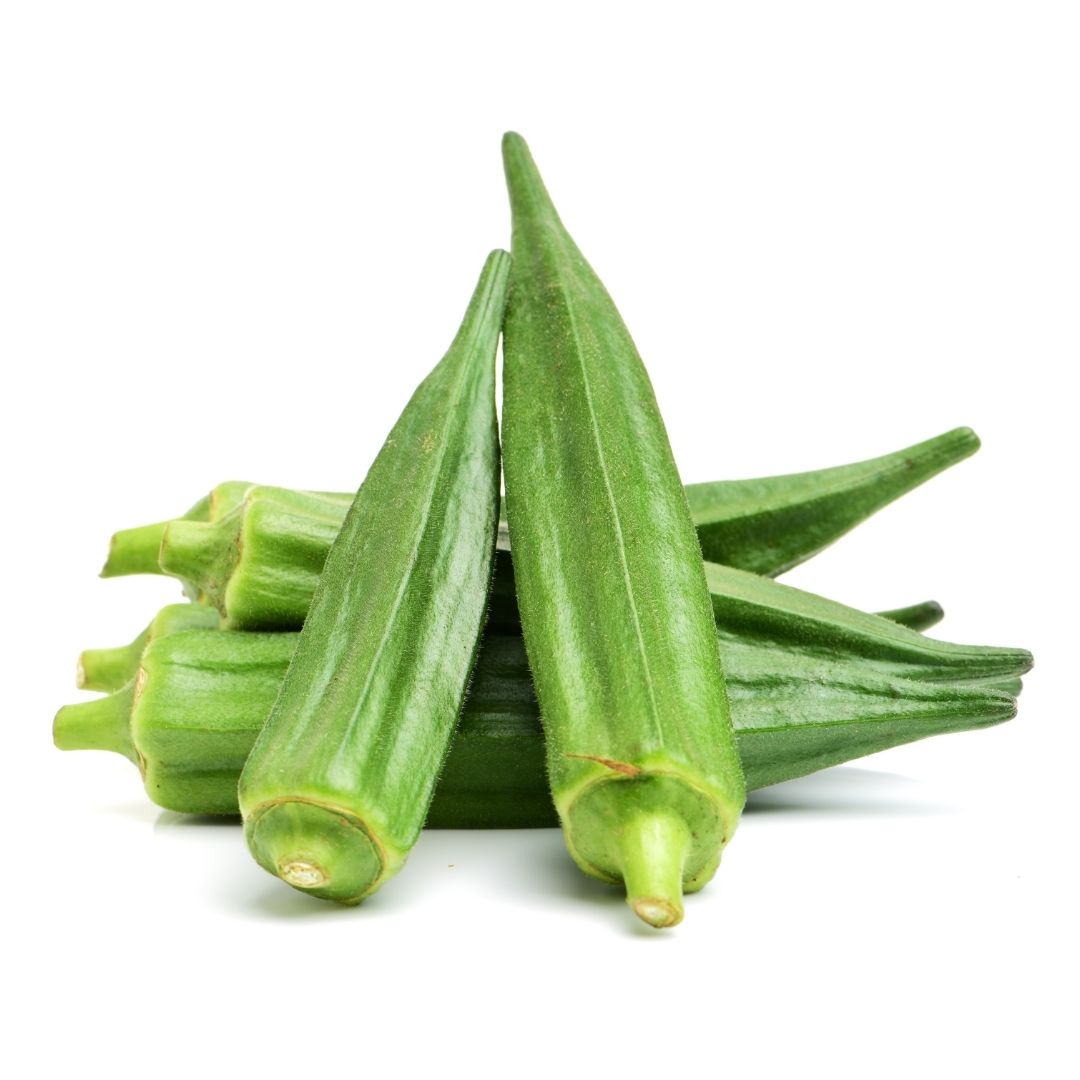
Plant overview
Clemson Spineless Okra is a fast-growing warm-season vegetable that thrives in full sun and fertile, well-drained soil. Plants typically reach 1–2 meters in height and begin producing edible pods around 50–60 days after sowing. Regular harvesting every few days encourages continuous flowering and pod production throughout the growing season. Okra is easy to grow, drought tolerant once established, and an excellent choice for home gardens, raised beds, and large containers.
Climate & growing season
Excellent for Thailand's warm tropical climate. Performs best in hot weather with full sun.
Seed starting
Seeds can be sown directly into the garden after soaking in water for 8–12 hours. Sow 1–2 cm deep and keep the soil evenly moist until germination, which usually occurs within 5–10 days.
Transplanting
If started in seed trays, transplant seedlings when they have 2–3 true leaves. Handle the roots gently, as okra prefers minimal root disturbance. Water thoroughly after transplanting.
Sunlight
Clemson Spineless Okra thrives in full sun and requires at least 6–8 hours of direct sunlight daily. More sunlight promotes vigorous growth, abundant flowering, and higher pod production. Avoid planting in shaded areas, as insufficient light reduces yield and encourages weak, leggy growth.
Watering
Keep the soil consistently moist, especially during flowering and pod development. Water deeply 2–3 times per week rather than lightly every day. Reduce watering during prolonged rainy periods and avoid waterlogged soil, which may lead to root diseases.
Soil & growing medium
Grow okra in rich, fertile, well-drained soil with a pH of 6.0–7.0. Incorporate compost or well-rotted manure before planting to improve soil fertility and moisture retention while maintaining good drainage.
Fertilizing
Incorporate compost before planting and apply a balanced fertilizer during early growth. Switch to a fertilizer slightly higher in potassium once flowering begins to encourage continuous flowering and pod production.
Harvesting
Harvest pods when they are 7–10 cm long while still tender, usually 3–5 days after flowering. Pick every 2–3 days to encourage continuous production. Older pods become fibrous and less suitable for eating.
Harvest checklist
Print or tick off as you go.
- Harvest pods when they are 7–10 cm long while still tender, usually 3–5 days after flowering. Pick every 2–3 days to encourage continuous production. Older pods become fibrous and less suitable for eating.
Was this guide helpful?
Need more help?
Our team at Amor EcoFarm is happy to answer growing questions from Thai gardeners. Reach out on LINE for the fastest reply or send us a message.