Herbs · Growing Guide
Lemon Balm
Variety: เลมอนบาล์ม, บาล์มหอม · Melissa officinalis
Lemon Balm is a fragrant perennial herb with a refreshing citrus aroma. It is easy to grow, perfect for containers, and widely used for herbal tea, cooking, and attracting beneficial pollinators.
- Difficulty: easyHerbIndoor & OutdoorGermination: 7–14 daysHarvest: 50–70 days (first harvest)
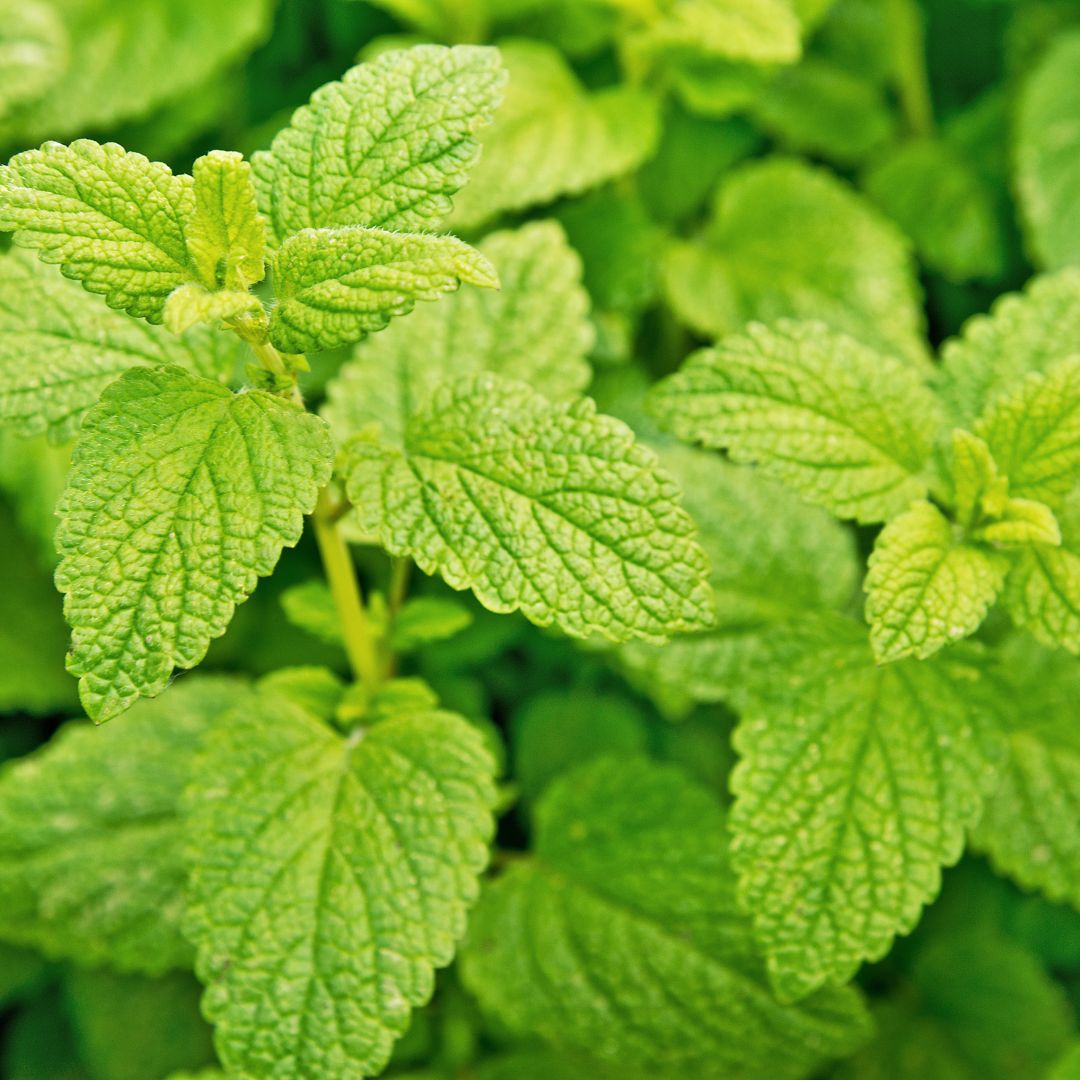
Plant overview
Lemon Balm (Melissa officinalis) is a member of the mint family prized for its pleasant lemon fragrance and versatile culinary and medicinal uses. Native to Europe and Western Asia, it has become popular worldwide for home gardens because it is productive, forgiving, and easy to maintain. The plant forms a bushy clump of bright green leaves that can be harvested repeatedly throughout the growing season. Fresh leaves are commonly brewed into herbal tea, blended into refreshing drinks, added to salads, desserts, and savory dishes, or dried for later use. Lemon Balm grows well in containers, raised beds, and garden plots. It prefers fertile, well-drained soil with regular moisture and benefits from partial shade during Thailand's hottest months. Frequent harvesting encourages new shoots, resulting in a fuller and healthier plant.
Climate & growing season
Suitable for Thailand year-round with afternoon shade in hot seasons.
Prefers cooler mornings and afternoon shade in Thailand's hot months. Grows year-round with adequate water.
Seed starting
Surface-sow seeds because they require light for germination. Press seeds gently onto moist growing media without covering them. Keep the medium consistently moist and warm. Seeds usually germinate within 7–14 days.
Transplanting
Transplant seedlings once they have 4–6 true leaves and a strong root system. Space plants 30–45 cm apart in garden beds or use individual pots for best growth.
Sunlight
Lemon Balm grows best in full sun to partial shade. In Thailand's hot climate, provide morning sun and afternoon shade to prevent leaf scorch and maintain the best flavor and aroma. Aim for 4–6 hours of sunlight daily.
Watering
Keep the soil consistently moist but never waterlogged. Water when the top 2–3 cm of soil begins to dry. During hot weather, plants may require more frequent watering.
Soil & growing medium
Plant in fertile, well-draining soil rich in organic matter. A mix containing peat moss, compost, and perlite provides excellent moisture retention while allowing good drainage. Ideal soil pH is 6.0–7.5.
Fertilizing
Feed every 4–6 weeks with compost or a balanced organic fertilizer. Avoid excessive nitrogen, as it encourages leafy growth but may reduce the plant's fragrance and essential oil concentration.
Harvesting
Begin harvesting once the plant is well established, usually 50–70 days after sowing. Harvest in the morning after the dew has dried for the best flavor and highest essential oil content. Cut the upper stems just above a leaf node, removing no more than one-third of the plant at a time. Regular harvesting encourages bushier growth and continuous production throughout the season.
Pests & diseases
Mostly pest-resistant. Watch for powdery mildew in humid conditions — improve airflow and avoid wetting leaves.
Frequently asked
Was this guide helpful?
Need more help?
Our team at Amor EcoFarm is happy to answer growing questions from Thai gardeners. Reach out on LINE for the fastest reply or send us a message.