Vegetables · Growing Guide
Eggplant – Japanese Pickling
Variety: Japanese Pickling · Solanum melongena
Japanese Pickling Eggplant is a productive Asian eggplant grown for its slender, tender fruits with thin skin and mild flavor. The fruits are excellent for pickling, stir-frying, grilling and other Asian dishes.
- Difficulty: moderateVegetableOutdoorGermination: 7–14 daysHarvest: About 70–90 days from sowing; harvest fruits while young, glossy and tender
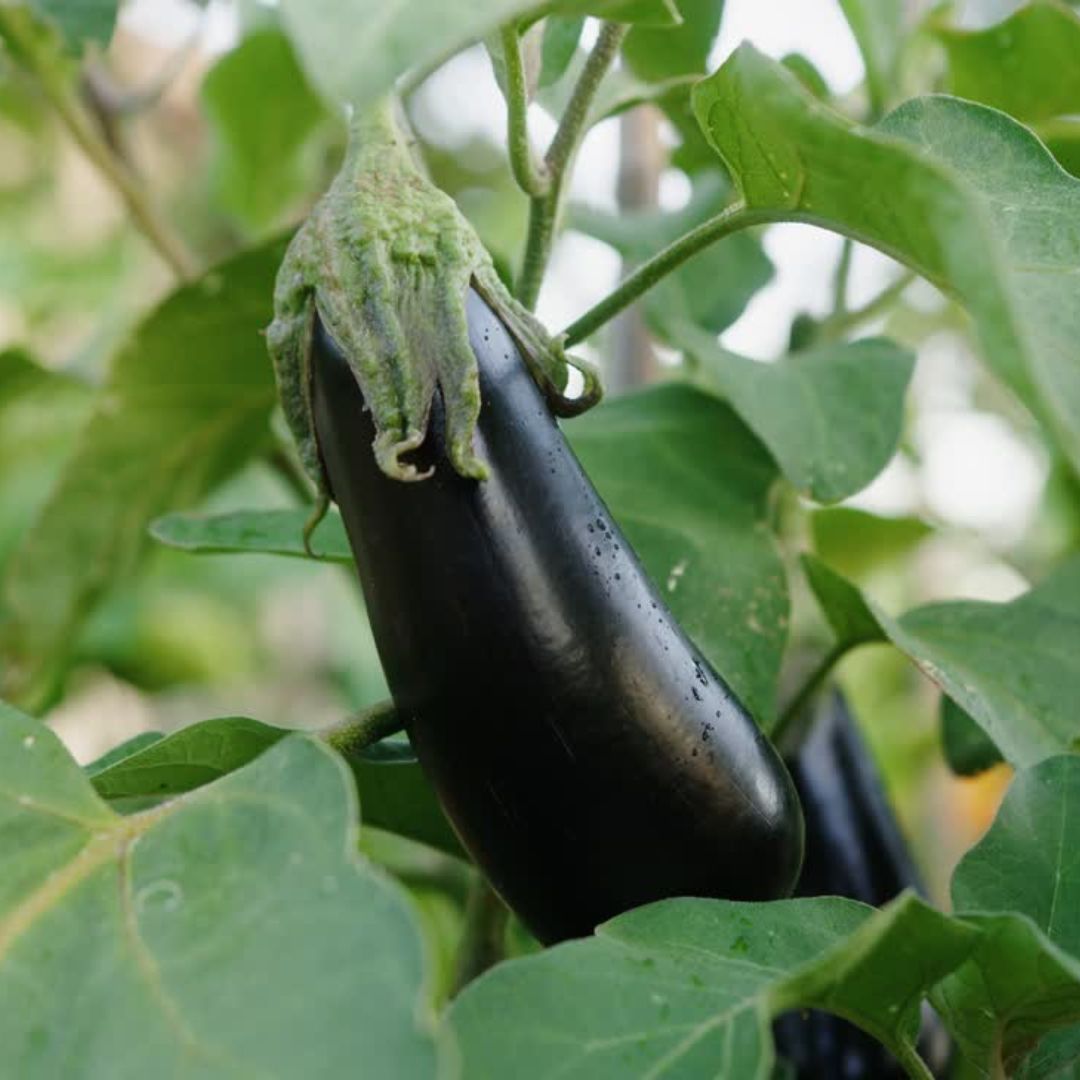
Plant overview
Japanese Pickling Eggplant (Solanum melongena) is a warm-season vegetable valued for its slender, tender fruits and productive growth. It thrives in warm weather with plenty of sunlight, fertile well-drained soil and consistent moisture. Regular harvesting while the fruits are young, glossy and tender encourages continued production. In Thailand, Japanese eggplant can be grown for much of the year, but good airflow, consistent watering and protection from prolonged waterlogging are important during hot and rainy conditions.
Climate & growing season
Best suited to warm growing conditions with plenty of direct sunlight. Japanese Pickling Eggplant grows best with consistently warm temperatures and a long growing period. Growth slows in cool conditions. During prolonged extreme heat, maintain consistent moisture and good airflow to reduce plant stress.
Seed starting
Sow seeds about 1/4 inch deep in a moist, well-drained seed-starting mix. Keep the medium warm and evenly moist but not waterlogged. Seeds usually germinate in about 7–14 days. After germination, provide plenty of bright light to encourage strong, compact seedlings.
Transplanting
Transplant seedlings when they have several true leaves and a strong root system. Harden them off gradually for about 5–7 days before planting outdoors. Transplant into fertile, well-drained soil, water thoroughly after planting and avoid transplanting during the hottest part of the day.
Sunlight
Japanese Pickling Eggplant grows best in full sun with about 6–8 hours of direct sunlight daily. Plenty of sunlight supports strong growth, flowering and fruit production. In extremely hot locations in Thailand, light afternoon shade can help reduce heat stress while still providing enough light for good fruiting.
Watering
Water regularly to keep the soil evenly moist, especially during flowering and fruit development. Allow the top layer of soil to begin drying before watering again, but avoid prolonged dryness. Inconsistent watering can stress the plant and reduce fruit quality. Always ensure excess water drains freely, especially during Thailand's rainy season.
Soil & growing medium
Grow Japanese Pickling Eggplant in fertile, loose, well-drained soil rich in organic matter. A soil pH around 5.5–7.0 is suitable. Mix compost or well-decomposed organic matter into the soil before planting. Good drainage is essential because prolonged waterlogging can damage the roots.
Fertilizing
Mix compost or well-decomposed organic matter into the soil before planting. During early growth, use a balanced fertilizer moderately to support healthy roots and foliage. Once flowering begins, avoid excessive nitrogen and use a fertilizer suitable for flowering and fruiting vegetables. Feed container plants regularly according to the fertilizer instructions.
Harvesting
Harvest Japanese Pickling Eggplant while the fruits are young, firm, glossy and tender. Do not wait until the skin becomes dull or the seeds become hard. Cut the fruit from the plant with clean scissors or pruning shears, leaving a short piece of stem attached. Harvest regularly to encourage the plant to continue flowering and producing new fruits.
Was this guide helpful?
Need more help?
Our team at Amor EcoFarm is happy to answer growing questions from Thai gardeners. Reach out on LINE for the fastest reply or send us a message.