Edible Flowers · Growing Guide
Calendula – Orange Pacific Beauty
Variety: Orange Pacific Beauty · Calendula officinalis
Orange Pacific Beauty Calendula is a cheerful, easy-to-grow flowering plant known for its bright orange blooms. The flowers attract beneficial insects and pollinators, while the edible petals can add color to salads, teas and other culinary creations. It grows well in garden beds and containers and is a rewarding choice for beginner gardeners.
- Difficulty: easyEdible flowerOutdoorGermination: 7–14 daysHarvest: 50–60 days to first flowers
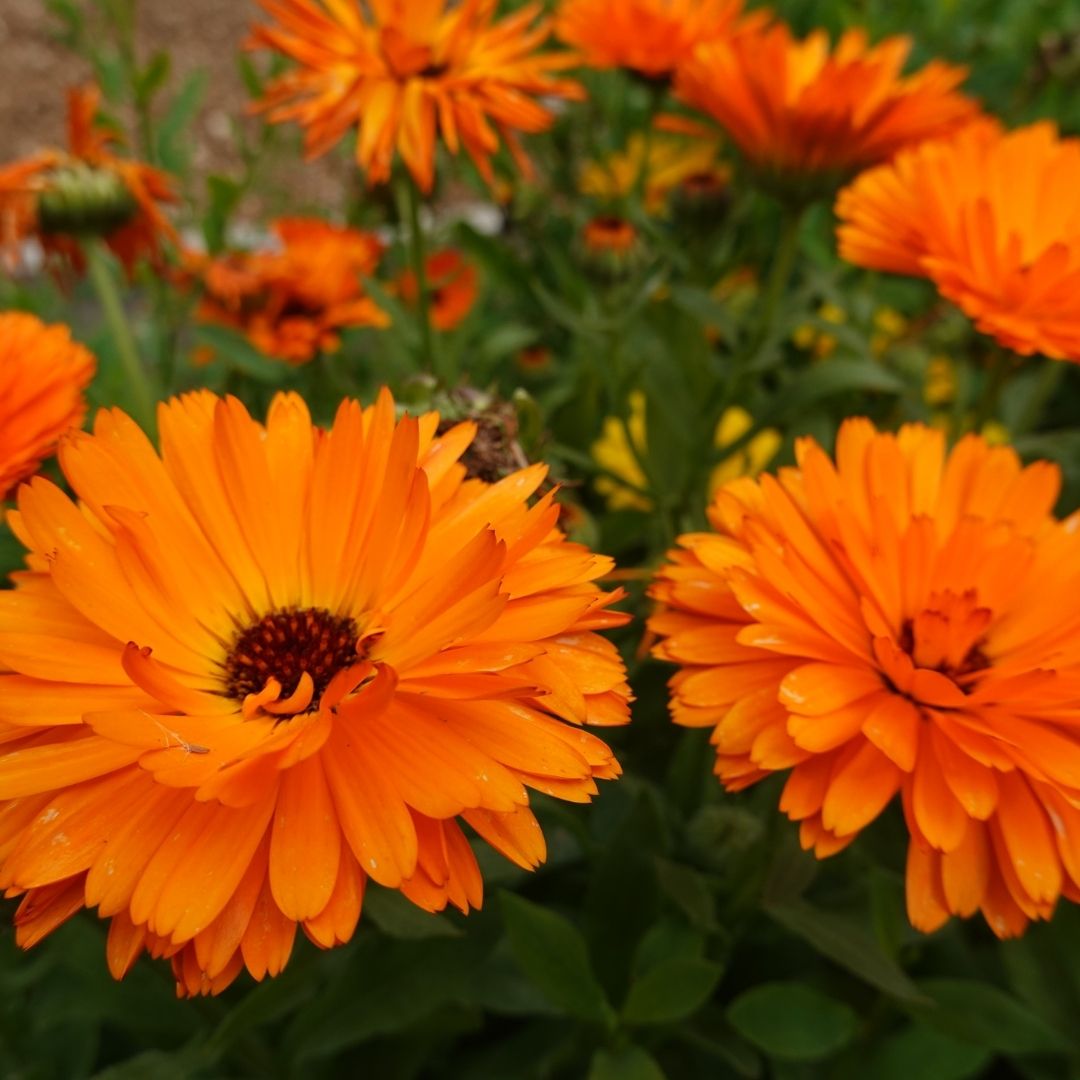
Plant overview
Orange Pacific Beauty is a popular calendula variety producing vibrant orange, daisy-like flowers above soft green foliage. Plants bloom generously when grown in suitable conditions, and regular flower picking encourages continued flowering. Calendula is valued as both an ornamental and useful garden plant. Its flowers attract bees and other beneficial insects, while the petals are commonly used fresh or dried for decorative and culinary purposes. The plant is relatively easy to grow from seed and adapts well to containers, raised beds and garden borders. Calendula generally performs best in mild conditions. In hot climates, good airflow, consistent moisture and some protection from intense afternoon heat can help extend plant health and flowering.
Climate & growing season
Best suited to mild to moderately warm conditions with plenty of sunlight. Calendula prefers cooler growing temperatures and may slow flowering or decline during prolonged extreme heat. Good airflow and well-draining soil are especially important in warm or humid conditions.
Seed starting
Sow seeds about 1/4 inch deep in a light, well-draining seed-starting mix. Keep the medium evenly moist but not soggy. Seeds normally germinate within 7–14 days. After germination, provide plenty of light to produce compact, healthy seedlings.
Transplanting
Transplant when seedlings have developed 2–3 sets of true leaves and are strong enough to handle. Space plants 8–12 inches apart. Transplant during the cooler part of the day and water thoroughly afterward to help reduce transplant stress.
Sunlight
Full sun is best for strong growth and abundant flowering. Provide at least 4–6 hours of direct sunlight daily. In very hot conditions, light afternoon shade can help protect the plant from excessive heat and prolong flowering.
Watering
Keep the soil evenly moist, especially while seedlings are establishing and during flowering. Water when the top layer of soil begins to dry. Avoid constantly wet or waterlogged soil, as this can encourage root problems. Water near the base of the plant when possible.
Soil & growing medium
Grow in fertile, well-draining soil enriched with compost or well-decomposed organic matter. Calendula adapts to many soil types but performs best in loose soil that retains some moisture without becoming waterlogged. A soil pH around 6.0–7.0 is suitable.
Fertilizing
Calendula does not require heavy feeding. Enrich the soil with compost or well-decomposed organic matter before planting. If additional feeding is needed, use a mild balanced fertilizer occasionally. Avoid excessive nitrogen, which can produce lush foliage with fewer flowers.
Harvesting
Flowers can usually be harvested about 50–60 days after sowing once they are fully open and fresh. Pick flowers in the morning after the dew has dried. Regular harvesting and removal of faded flowers encourage the plant to produce more blooms. For seed saving, leave selected flowers on the plant until the seed heads mature and dry.
Was this guide helpful?
Need more help?
Our team at Amor EcoFarm is happy to answer growing questions from Thai gardeners. Reach out on LINE for the fastest reply or send us a message.